
Small Transmission Problems Can Turn Into Major Vehicle Damage Fast
If you ignore transmission repair needs, a small issue can turn into a major breakdown. What starts as a small fluid leak or rough shift can lead to slipping gears, overheating, and even total transmission failure. That often means higher repair costs and a car that will not move at all. Acting early can save your vehicle and your wallet.
Quick Diagnosis Summary
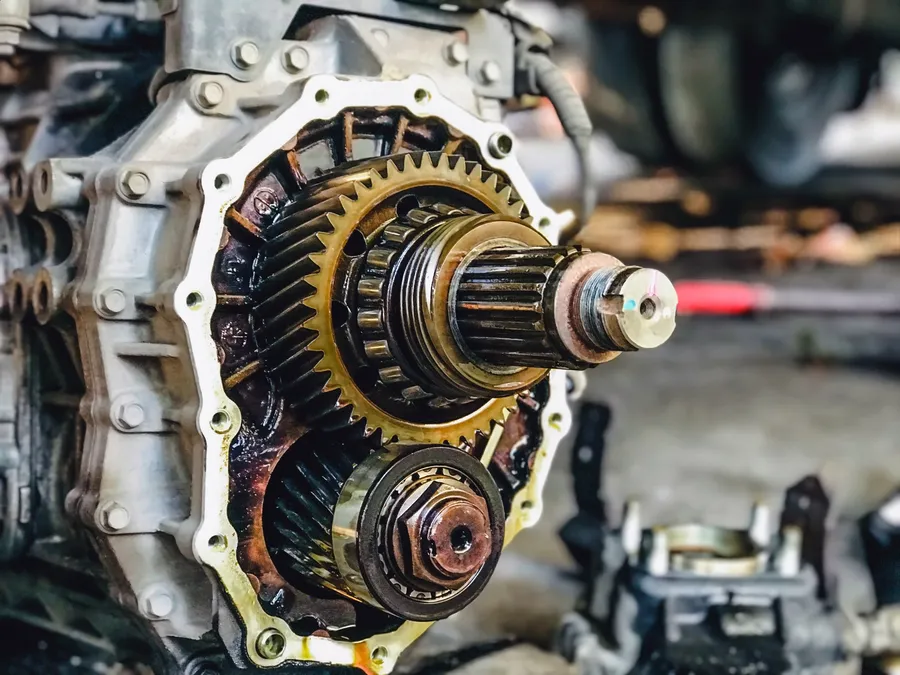
Your transmission controls how power moves from the engine to the wheels. If something is wrong, your car cannot shift gears the right way. When problems are ignored, extra heat and friction build up inside the system. Over time, metal parts wear down. Seals crack. Fluid burns. The damage spreads to other parts of the vehicle, too.
Many drivers think they can wait a few weeks. In reality, even a few days of driving with a clear issue can make things worse.
Common Symptoms
Transmission trouble often gives warning signs. The key is paying attention to them.
- Delays when shifting into drive or reverse
- Hard or jerky gear changes
- Grinding or whining noises
- Burning smell under the hood
- Fluid spots under your car
- Check engine light turning on
If you notice any of these signs, do not ignore them. Even small symptoms can point to bigger internal damage.
Likely Causes
There are several reasons a transmission starts to fail. The most common cause is low or dirty fluid. Transmission fluid cools and lubricates moving parts. When it runs low or breaks down, parts rub together and wear out.
Other causes include worn clutch plates, damaged seals, faulty sensors, or torque converter issues. In some cases, problems connect back to general auto repair needs that were delayed. A simple leak that was never fixed can slowly drain fluid and create serious damage.
What to Check First
If you suspect a problem, start with simple checks:
- Look under your car for red or dark fluid leaks.
- Check the transmission fluid level if your vehicle allows it.
- Notice any new sounds while driving.
- Pay attention to how the car shifts between gears.
If the fluid looks dark or smells burnt, that is a red flag. Healthy transmission fluid should be bright red and not smell burnt.
Safe Fixes Vs Pro-Level Fixes
Some small issues have simple solutions. For example, topping off low fluid or replacing old fluid may solve early-stage problems. Fixing a minor leak quickly can also stop further damage.
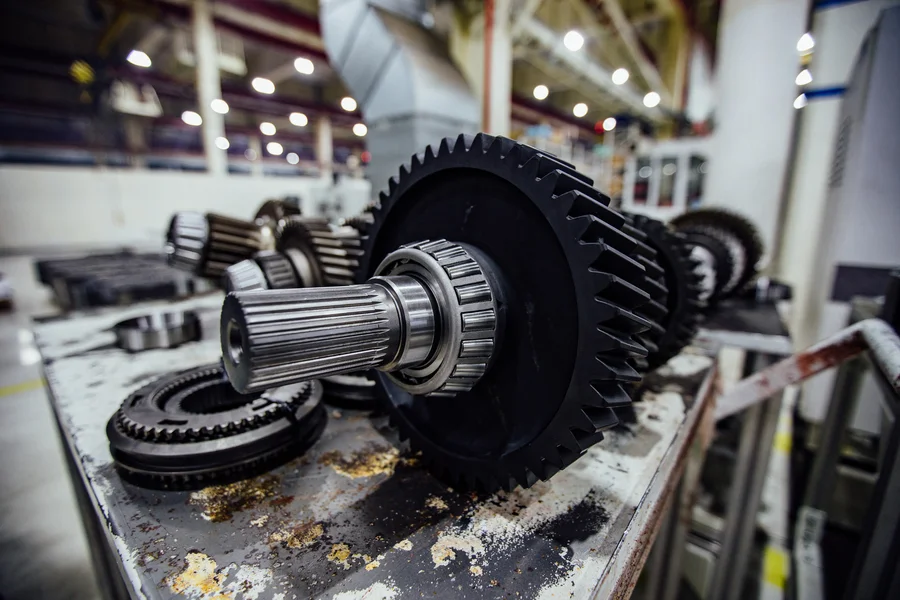
But most internal transmission repairs are not do-it-yourself jobs. The system is complex and packed with tight parts. Opening it without proper tools can cause more harm. Replacing clutch packs, solenoids, or the torque converter requires skill and equipment.
If your car is slipping between gears or will not move, it is time for professional transmission repair. Waiting longer may mean you need a full rebuild instead of a smaller repair.
Prevention Tips
The best way to avoid major transmission repair bills is routine care. Here are simple habits that help:
- Change transmission fluid at recommended intervals.
- Fix leaks right away.
- Avoid aggressive driving and sudden gear changes.
- Do not tow more weight than your vehicle allows.
- Have regular inspections during normal auto repair visits.
Heat is the enemy of your transmission. Keeping fluid clean and at the right level keeps temperatures down and parts working smoothly.
If you drive in heavy traffic, tow trailers, or take short trips often, your transmission works harder. In that case, more frequent inspections can help prevent surprise breakdowns.
Final Recommendation
Ignoring transmission problems almost always leads to higher costs and bigger repairs. What could have been a small seal replacement can turn into a full rebuild or replacement. On top of that, a failing transmission can leave you stranded at work, at home, or on the side of the road.
If you notice early warning signs in Greenville, SC, I can take a close look at your vehicle and explain what is really going on. At Mr. Mobile Mechanic, I focus on honest inspections and clear answers so you know your options. Call me at (832) 949-1089 to schedule a check before a small issue turns into a major transmission repair.