
Warning Clues Your Car Should Not Ignore
If your car slips between gears, makes grinding noises, leaks red fluid, or hesitates when you press the gas, those are clear signs something is wrong. These symptoms often point to transmission trouble. Acting fast can limit damage and lower repair time. Many drivers in Greenville, SC wait too long, hoping the issue goes away. It rarely does. Catching problems early gives you more options and can keep you safer on the road.
Quick Diagnosis Summary
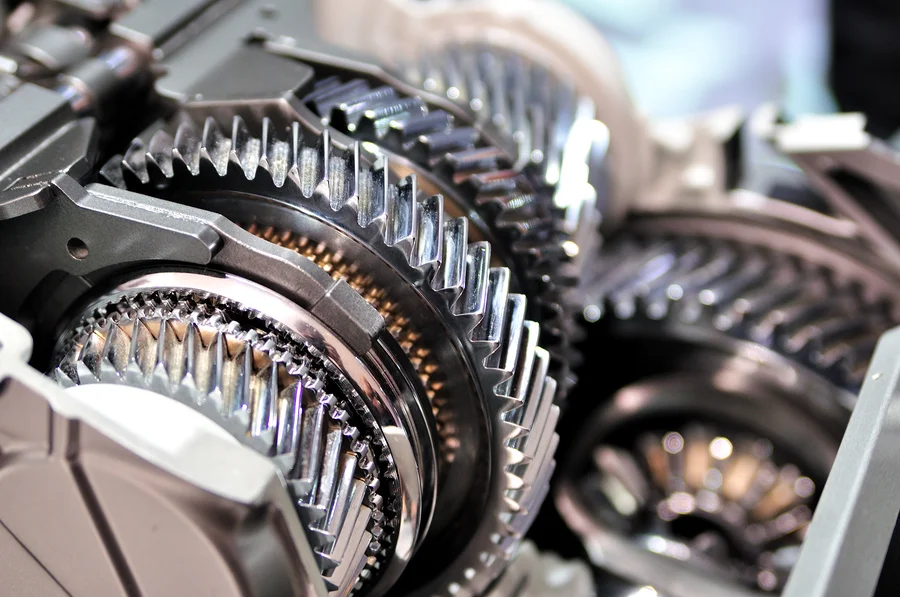
Your transmission moves power from the engine to the wheels. When it fails, your car may not shift right, may shake, or may not move at all. A small issue like low fluid can turn into major damage if ignored. The sooner you spot warning signs, the better your odds of a simple transmission repair instead of a full rebuild.
Common Symptoms
Many drivers notice small changes before a big breakdown. Pay attention to how your car feels and sounds.
- Slipping gears while driving
- Delayed shifting or hard shifts
- Grinding or whining noises
- Burning smell from under the hood
- Leaking red or brown fluid
- Check engine light turning on
If your car jerks when shifting or struggles to go into drive or reverse, that is not normal. Even one of these symptoms is enough reason to schedule a transmission repair inspection.
Likely Causes
Transmission problems can start for different reasons. Some are simple. Others involve worn internal parts.
Low or dirty transmission fluid is a common cause. Fluid keeps parts cool and lubricated. When fluid breaks down, parts rub together and wear out faster.
Worn clutch components can also cause slipping. In automatic systems, failing solenoids may block proper shifting. Leaks from seals or gaskets allow fluid to escape, which leads to pressure loss.
Driving habits play a role too. Towing heavy loads without the right setup can stress the system. Stop-and-go traffic in busy areas may also increase wear over time.
What to Check First
Before assuming the worst, start with a few basic checks:
- Look under your car for fluid spots.
- Check transmission fluid level and color.
- Notice any new smells while driving.
- Pay attention to warning lights.
Fluid should be red and fairly clear. Dark or burnt-smelling fluid often signals trouble. If the level is low, there may be a leak that needs repair. These quick checks can help you explain the issue clearly when you visit a shop for transmission repair.
Safe Fixes Vs Pro-Level Fixes
Some minor issues are simple to fix. Topping off fluid or replacing a small seal may solve early problems. A fluid change can restore smoother shifting if done in time.
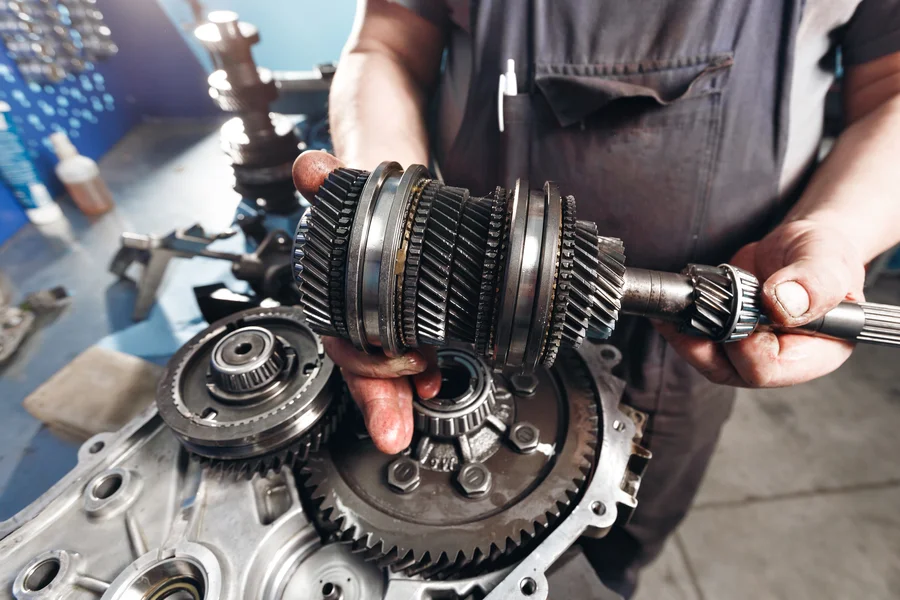
Internal damage is more complex. Replacing clutch packs, rebuilding gear sets, or repairing torque converters requires special tools and training. These repairs should always be handled by a skilled technician.
Trying to drive with major symptoms can make things worse. What starts as a small transmission repair job can grow into a full replacement if ignored.
Prevention Tips
Good habits can extend the life of your transmission.
- Change transmission fluid at recommended intervals.
- Fix leaks as soon as they appear.
- Avoid aggressive driving and sudden stops.
- Use the correct gear when towing.
- Do not ignore warning lights.
Routine maintenance checks are part of responsible vehicle ownership. Staying ahead of problems costs less than major repairs later.
Final Recommendation
If you notice any of these signs in Greenville, SC, do not wait for a full breakdown. I run Mr. Mobile Mechanic, and I focus on honest answers and practical solutions. You can call me at (832) 949-1089 to schedule a transmission repair inspection or ask questions about what your car is doing. I will personally look at your vehicle and help you decide the next step that makes sense for your safety and budget.